

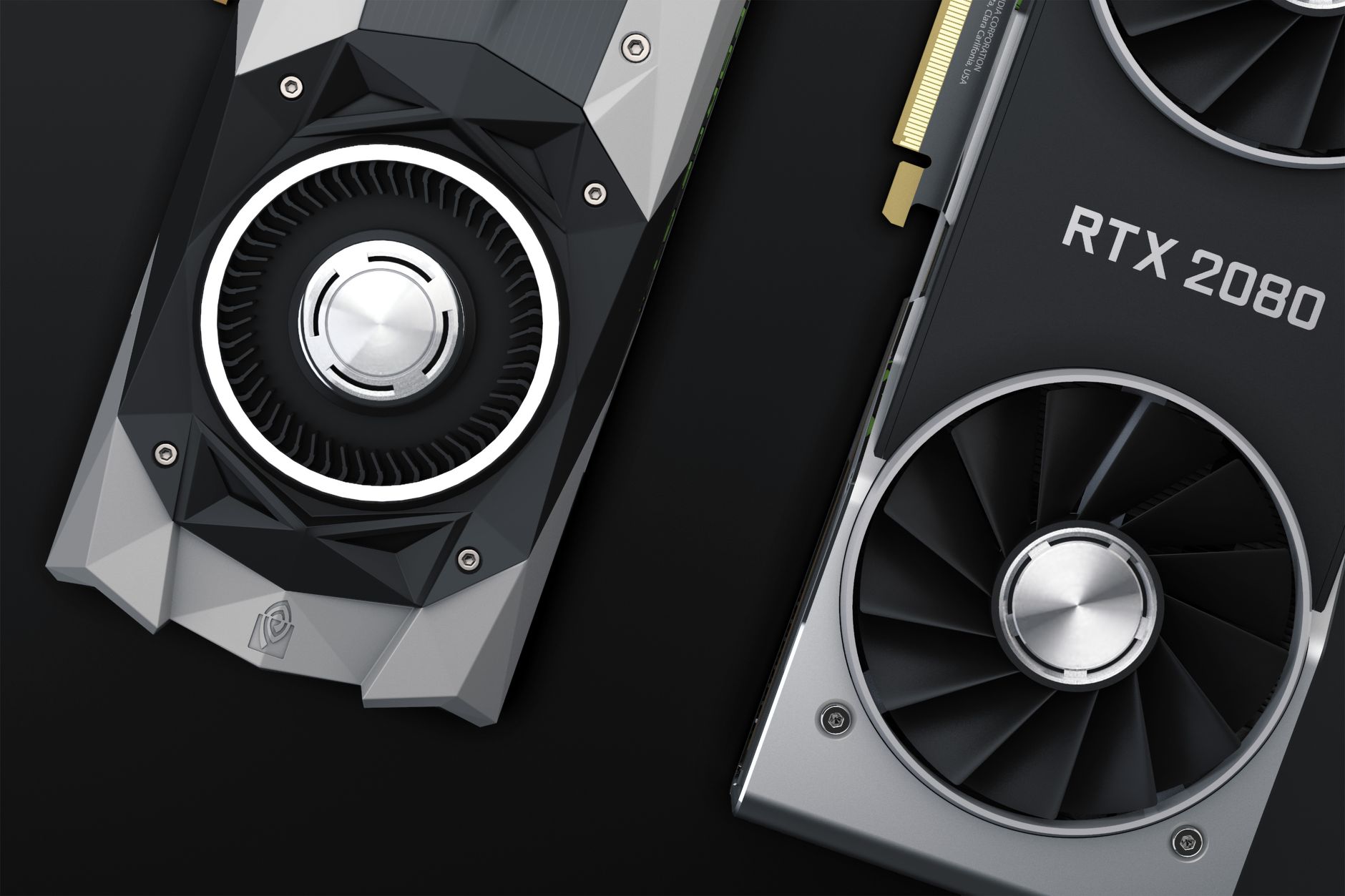
NVIDIA RTX SDK is revolutionizing the way developers approach neural rendering and path tracing. With its latest features, it promises to deliver unprecedented levels of detail in graphics.
What is NVIDIA RTX SDK?
The NVIDIA RTX SDK is a powerful software development kit designed to enhance the capabilities of developers working with advanced rendering technologies. It provides tools that streamline the integration of real-time ray tracing and AI-enhanced graphics into applications. With a focus on neural rendering, the SDK enables developers to create visually stunning experiences that push the limits of current hardware.
One of the standout features of the NVIDIA RTX SDK is its support for the latest advancements in path tracing. This allows for more realistic lighting and shadow effects, making scenes appear more lifelike. Additionally, the RTX Mega Geometry 2.0 SDK empowers developers to stream incredibly detailed environments, offering unprecedented levels of realism in gaming and simulation.
As a result, the NVIDIA RTX SDK is becoming an essential tool for those looking to innovate in the field of graphics development.
Key Features of the RTX Kit
The NVIDIA RTX SDK offers a range of innovative features that set it apart as a premier tool for developers. Key components include:
- Advanced Ray Tracing: The ability to render realistic lighting and shadows with unparalleled accuracy.
- Neural Rendering: Utilizing AI to enhance image quality and create immersive environments.
- Mega Geometry 2.0: A technology that allows for streaming incredibly detailed assets, pushing the boundaries of visual fidelity.
- Cross-Platform Support: Ensuring that developers can deploy their applications across various platforms seamlessly.
- User-Friendly Documentation: Comprehensive resources that assist developers in leveraging the full potential of the NVIDIA RTX SDK.
These features collectively empower developers to create stunning visual experiences that captivate audiences.
How Does Path Tracing Work?
Path tracing is a rendering technique that simulates the way light interacts with objects in a realistic manner. Unlike traditional rasterization methods, it considers the full light path, resulting in stunning visual fidelity. The process involves tracing rays of light as they travel through a scene, bouncing off surfaces, and arriving at the camera. This technique accounts for reflections, refractions, and shadows, creating an immersive experience.
The NVIDIA RTX SDK provides developers with powerful tools to implement path tracing in their applications. By leveraging advanced hardware capabilities, the SDK enhances performance and allows for real-time rendering, even in complex environments. Developers can achieve photorealistic results while optimizing for various platforms, ensuring a broad reach for their projects.
With the NVIDIA RTX SDK, integrating path tracing becomes more accessible, making it an attractive option for modern game development.
Benefits for Game Developers
The NVIDIA RTX SDK offers numerous benefits for game developers looking to enhance their projects with advanced graphics capabilities. By leveraging cutting-edge technologies, developers can achieve stunning visual fidelity and immersive experiences.
- Realistic Lighting: The SDK enables dynamic lighting and shadows, which create a more lifelike atmosphere in games.
- High-Quality Reflections: Developers can implement accurate reflections that enhance the visual depth and realism of environments.
- Streamlined Development: The NVIDIA RTX SDK simplifies the integration of complex rendering techniques, saving time and resources.
- Support for Ray Tracing: It allows developers to utilize ray tracing efficiently, elevating the overall graphical quality.
- Optimization Tools: The SDK provides tools that help optimize performance without compromising visual quality.
Overall, the NVIDIA RTX SDK stands out as an essential tool for developers eager to push the boundaries of game graphics.
Comparison with Previous SDKs
The NVIDIA RTX SDK marks a significant evolution compared to its predecessors, particularly in its approach to rendering and detail management. Previous SDKs focused primarily on rasterization techniques, which often limited the depth and realism achievable in games. In contrast, the NVIDIA RTX SDK introduces advanced path tracing capabilities, allowing developers to create more lifelike environments and enhance user immersion.
Key differences include:
- Performance Optimization: The RTX SDK leverages AI-driven algorithms that streamline rendering processes.
- Geometry Management: With RTX Mega Geometry 2.0, developers can handle vast amounts of detail without sacrificing performance.
- Integrated Tools: The toolkit includes intuitive tools that simplify the development workflow.
Overall, the NVIDIA RTX SDK provides a more robust framework for developers aiming to push the boundaries of visual fidelity.
Future of Graphics Technology
The future of graphics technology is poised for a transformation with the advancements brought by the NVIDIA RTX SDK. As developers continue to push the boundaries of realism in gaming and visual content, tools like the RTX SDK are essential for harnessing cutting-edge capabilities.
One of the most exciting aspects is the integration of neural rendering, which allows for more efficient and lifelike visuals, enhancing the immersive experience for users. Additionally, the RTX Mega Geometry 2.0 SDK empowers developers to create intricate environments with unprecedented detail.
As industries such as virtual reality and augmented reality evolve, the NVIDIA RTX SDK will likely play a crucial role in shaping the next generation of graphics applications, making it a pivotal resource for developers seeking to stay ahead in a competitive landscape.
- Enhanced realism through advanced rendering techniques.
- Increased efficiency in development processes.
- Broader applications in gaming and beyond.
Photo by Nana Dua on Pexels