

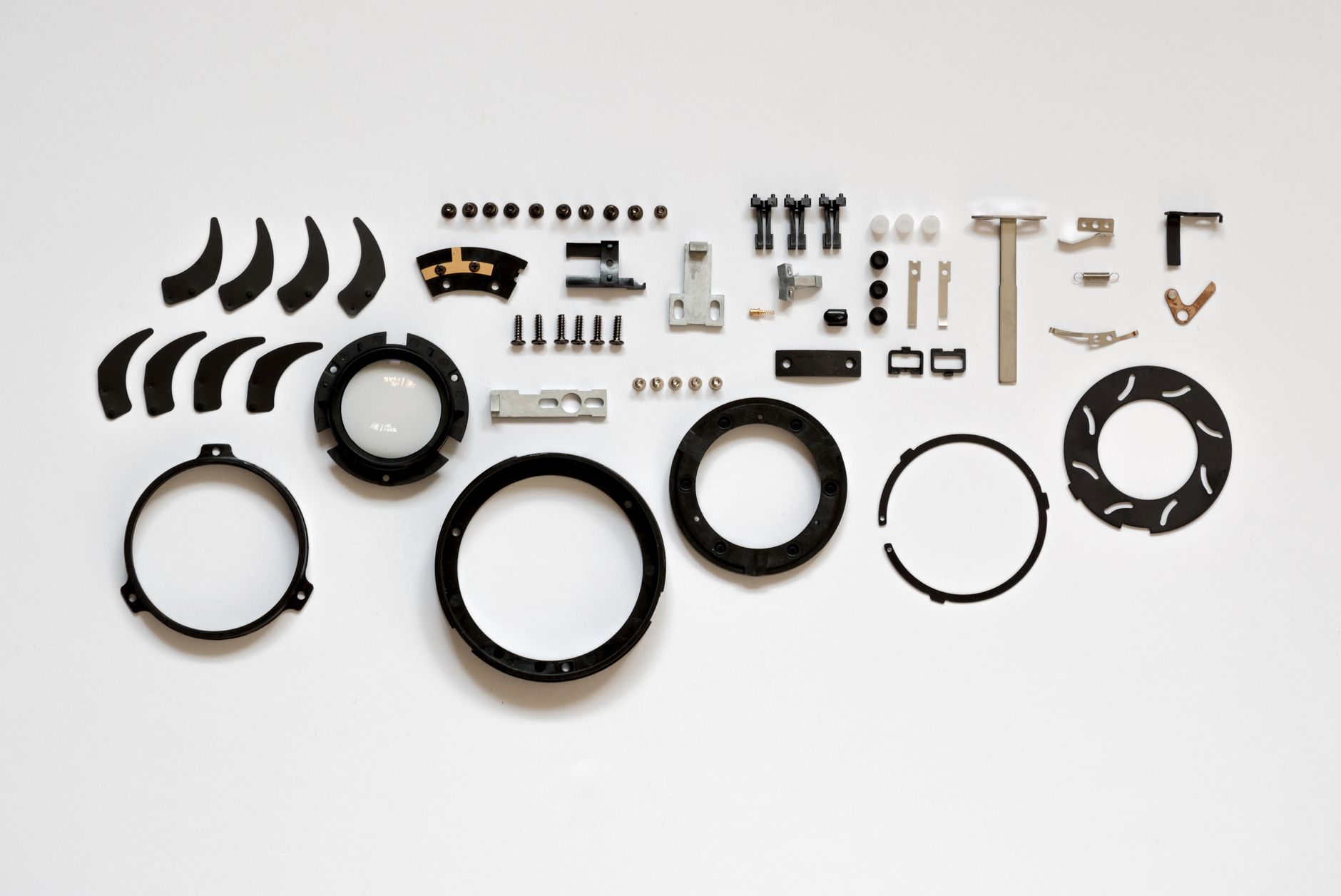
ASML spare parts prices are seeing a significant increase, with a 10% rise affecting major players like Samsung and SK Hynix. This change is driven by the growing demand in the AI sector.
Impact of Price Increase on Samsung and SK Hynix
The recent 10% increase in ASML spare parts prices is causing significant concerns for major semiconductor manufacturers such as Samsung and SK Hynix. As the demand for advanced AI technologies surges, these companies find themselves under pressure not only from rising operational costs but also from the increased expenses associated with maintaining their lithography equipment.
Samsung and SK Hynix are at a critical juncture where they must balance the need for innovation with the financial implications of this price hike. The reliance on ASML’s equipment for their production processes means that any increase in spare parts prices directly impacts their bottom line. Given the competitive nature of the semiconductor market, these companies are now evaluating their strategies to mitigate the effects of rising costs.
- Operational Efficiency: Both companies may need to enhance their operational efficiency to absorb the increased expenditures.
- Investment in Technology: There might be a greater push towards investing in newer technologies that require less frequent maintenance.
- Cost Pass-Through: Ultimately, they could consider passing some costs onto consumers, but this strategy comes with its own risks.
As the landscape evolves, the impact of ASML spare parts prices will continue to be a pivotal factor for Samsung and SK Hynix.
Understanding Lithography Equipment Demand
The demand for lithography equipment has surged significantly, particularly as the semiconductor industry adapts to the rapid advancements in artificial intelligence. This increased demand is not just a trend but a reflection of the ongoing shift towards more complex chip designs that require cutting-edge technology.
ASML, a leader in lithography machinery, has responded to this growing need by raising the prices of its spare parts by 10%. This decision has left many industry players, including Samsung and SK Hynix, grappling with increased operational costs. The question on everyone’s mind is whether these higher ASML spare parts prices are justified in light of the demand.
Several factors contribute to the rising demand for lithography equipment:
- AI Integration: Companies are investing heavily in AI technologies, requiring more advanced chips.
- Technological Upgrades: Manufacturers must frequently update their equipment to keep pace with innovations.
- Market Competition: As competition intensifies, firms are compelled to enhance production capabilities.
Ultimately, the sustainability of these price increases will depend on how the market evolves and whether the benefits of advanced lithography justify the costs.
AI Expansion and Its Effects on Pricing
The recent surge in demand for advanced semiconductor manufacturing, driven largely by artificial intelligence (AI) expansion, has significantly impacted the market for lithography equipment and its associated costs. As ASML raises spare parts prices by 10%, many industry players are left questioning the justification behind these increases. The growing reliance on AI technologies has intensified competition among chip manufacturers such as Samsung and SK Hynix, which, in turn, puts upward pressure on equipment prices.
Several factors contribute to the increase in ASML spare parts prices. First, the rapid advancement in AI applications necessitates more sophisticated manufacturing processes, leading to higher demand for cutting-edge lithography tools. Second, the limited supply of essential components required to maintain and upgrade existing equipment has exacerbated the situation. This scarcity creates a supply-demand imbalance, allowing ASML to leverage its position as a leading supplier.
As companies weigh their options, they must consider whether the enhanced performance and efficiency of newer equipment justifies the rising costs. Ultimately, the effects of AI expansion on pricing may reshape the landscape of the semiconductor industry for years to come.
Market Reactions to ASML’s Decision
The recent decision by ASML to raise spare parts prices by 10% has elicited mixed reactions within the semiconductor industry. Major players, including Samsung and SK Hynix, have expressed concerns over the increased cost burden, which could impact their operational budgets significantly.
Industry analysts highlight that this price hike comes at a time when demand for lithography equipment is surging. Many believe that the rise in ASML spare parts prices is a reflection of the growing pressure on suppliers due to the rapid advancements in AI technology. As companies push to enhance their production capabilities, the need for high-quality, reliable equipment becomes paramount.
Responses from the market have included:
- Increased scrutiny: Investors are closely monitoring ASML’s pricing strategy to gauge its long-term implications on the supply chain.
- Stock fluctuations: Companies like Samsung and SK Hynix have experienced volatility in their stock prices as they adapt to the new cost structure.
- Strategic adjustments: Firms are exploring ways to mitigate the impact of higher spare parts prices on their overall production costs.
As the market continues to evolve, stakeholders remain vigilant regarding ASML’s pricing strategies and their potential ripple effects across the industry.
Future Outlook for Lithography Spare Parts
The outlook for lithography spare parts prices remains uncertain as the market adjusts to recent increases. ASML’s decision to raise its prices by 10% has raised concerns among major semiconductor manufacturers, particularly Samsung and SK Hynix. These companies are now faced with the challenge of balancing their production costs against the pressures of growing demand for advanced chips driven by AI technologies.
Industry analysts suggest that the rising costs of ASML spare parts could lead to a ripple effect throughout the semiconductor supply chain. As companies invest in expanding their production capabilities, they may be forced to pass on these increased costs to consumers. This could ultimately affect the prices of end-user products, from smartphones to high-performance computing devices.
Furthermore, the continuous push for innovation in chip technology may lead to a greater reliance on sophisticated lithography tools. As demand grows, ASML could have more leverage to increase spare parts prices further, reinforcing its position in the market. Companies must weigh their options carefully, as the long-term implications of these price adjustments could shape the future landscape of the semiconductor industry.
As the demand for semiconductor manufacturing increases, many industry experts are questioning whether the rise in ASML spare parts prices is justified. Understanding the implications of ASML spare parts prices on overall production costs is crucial for companies looking to maintain their competitive edge.
Photo by Dan Cristian Pădureț on Pexels
Read the original
Related stories
AI Models News: What’s the Best Proven Update Today? · Denmark Deepfake Bill: A Clear Guide to Consent Requirements · Manus Funding News: Best Proven Strategies to Secure Capital