

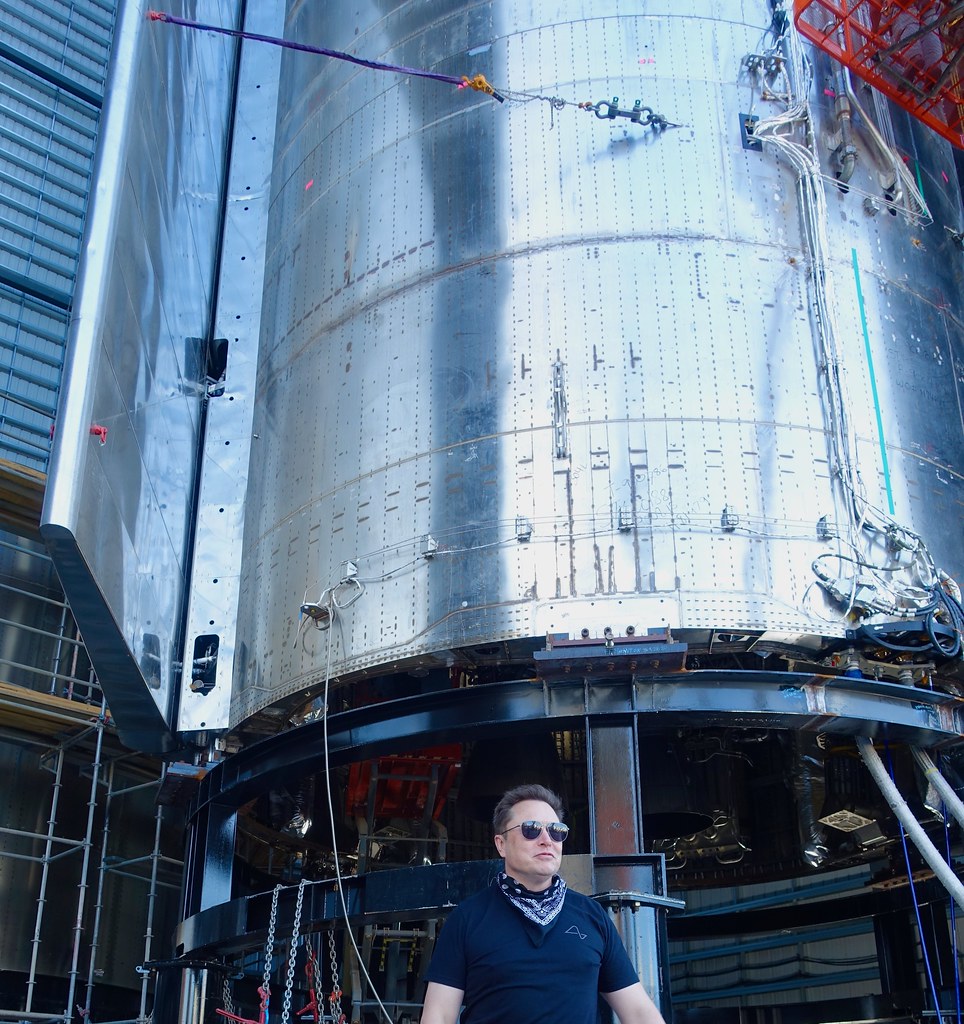
SpaceX Starship flight concluded prematurely after its first-ever orbit of Earth. This unexpected outcome raises questions about the future of space exploration and the challenges faced by Musk’s ambitious project.
Overview of SpaceX Starship
SpaceX has been at the forefront of space exploration and innovation, with its latest venture being the highly anticipated SpaceX Starship flight. This ambitious project aims to revolutionize space travel and facilitate missions to Mars and beyond. The Starship is designed to be a fully reusable spacecraft, enabling cost-effective transportation to low Earth orbit and other celestial bodies.
Recently, the Starship achieved a significant milestone by completing its first-ever orbit of Earth. However, this historic flight encountered unexpected challenges, leading to an early termination. Despite this setback, the mission provided valuable data and insights that will inform future launches and improvements.
The Starship’s design incorporates advanced technologies, including a powerful Raptor engine and a unique aerodynamic structure. These features aim to enhance performance and reliability, setting the stage for future deep-space exploration.
The early ending of the flight has raised questions and discussions among space enthusiasts and experts alike. Some key points of consideration include:
- The importance of testing and iterative development in space missions.
- The potential implications for future missions and timelines.
- The lessons learned that could improve safety and performance.
Overall, while the early ending of the SpaceX Starship flight may seem disappointing, it highlights the complexities of space exploration and the ongoing commitment to pushing the boundaries of what is possible.
Details of the First Orbit
The inaugural flight of the SpaceX Starship marked a significant moment in aerospace history, as it achieved its first orbit around Earth. However, the mission concluded prematurely, raising questions about what this means for future explorations and advancements in space travel.
During the flight, Starship demonstrated its advanced capabilities, including:
- Successful Launch: The spacecraft lifted off from the SpaceX facility in Texas, showcasing the powerful Raptor engines that propel it.
- Orbital Insertion: Starship completed its targeted trajectory, entering orbit and gathering invaluable data regarding its performance.
- Data Collection: Engineers onboard monitored various systems, providing insights into the spacecraft’s structural integrity and operational efficiency.
Despite the early termination of the flight, the mission provided critical information that will inform future iterations of the SpaceX Starship. The lessons learned from this attempt are expected to influence upcoming designs and tests, ensuring that subsequent missions can push the boundaries of what is possible in space exploration.
This early ending, while disappointing for some, underscores the inherent challenges of space travel and the necessity for rigorous testing. The dedication of the SpaceX team remains unwavering as they prepare for future launches, reaffirming their commitment to making interplanetary travel a reality.
Reasons for Early Flight Termination
During the recent SpaceX Starship flight, several factors contributed to the early termination of the mission. Understanding these reasons is essential for assessing the implications of this groundbreaking test.
- Technical Difficulties: The flight experienced unexpected technical issues that prompted the ground control team to make the decision to terminate the mission prematurely. Such challenges are not uncommon in experimental space flights, especially when dealing with a new vehicle like the Starship.
- Safety Protocols: SpaceX adheres to strict safety protocols to ensure that any potential hazards are mitigated. In this case, the decision to end the flight early was made to prioritize the safety of both the vehicle and the surrounding environment.
- Data Collection: The primary goal of the flight was to gather data. Even with an early termination, engineers were able to collect valuable information about the Starship’s performance during its initial orbit, which will inform future designs and operational strategies.
- Weather Conditions: Unfavorable weather conditions could have also played a role in the decision to terminate the flight early. SpaceX continuously monitors environmental factors that could impact the safety and success of their missions.
The lessons learned from this early ending will likely shape the future of SpaceX Starship flights as the company aims for even more ambitious goals.
Future Implications for Space Travel
The recent SpaceX Starship flight has raised significant questions about the future of space travel. With the early termination of the mission, experts are examining the implications for future launches and the overall progress of human exploration beyond Earth.
One of the primary concerns is how this incident may affect public and investor confidence in SpaceX’s ambitious plans. The company has set an aggressive timeline for its next missions, and setbacks like this could lead to increased scrutiny. However, many industry analysts believe that lessons learned from the flight will ultimately enhance the safety and reliability of future missions.
Additionally, the early ending of the flight may prompt regulatory bodies to revisit safety protocols and operational guidelines for commercial space travel. This could lead to stricter regulations which, while potentially slowing down the pace of innovation, may ensure a higher standard of safety for future astronauts.
Moreover, the technological advancements demonstrated during the flight, despite its premature conclusion, offer valuable data that could inform future missions. SpaceX’s iterative approach to development may allow them to implement changes quickly, refining their designs based on real-world performance.
In conclusion, while the early termination of the SpaceX Starship flight presents challenges, it also offers opportunities for growth and improvement in the rapidly evolving field of space exploration.
Expert Opinions on SpaceX
Experts in the field of aerospace and rocket science have shared their insights regarding the recent SpaceX Starship flight that ended prematurely after achieving its first-ever orbit around Earth. While the early termination raised eyebrows, many believe that the data gathered during the flight may outweigh the setback.
Dr. Emily Carter, a professor of aerospace engineering, stated, “Every test flight, whether successful or not, provides invaluable information. The SpaceX Starship flight has given engineers crucial data to analyze and improve upon.” She emphasized that iterations and adjustments are vital in pushing the boundaries of space exploration.
Similarly, Dr. James Thompson, an industry analyst, noted, “SpaceX’s approach is all about rapid prototyping and learning from failures. This early termination is just one step in a longer journey towards more reliable spacecraft.” He added that the company has a history of bouncing back stronger from challenges.
Moreover, the incident has sparked discussions about safety protocols in future missions. “As we venture into uncharted territories, the priority must be ensuring the safety of the crew and the spacecraft,” commented Dr. Maria Lopez, an astronautics researcher.
In conclusion, while the early ending of the SpaceX Starship flight may appear as a setback, experts agree that it is part of the iterative process essential for advancements in space travel.
The Role of Innovation in Aerospace
The aerospace industry has long been a beacon of innovation, pushing the boundaries of technology and exploration. The recent SpaceX Starship flight serves as a prime example of how innovation can both drive progress and highlight the challenges faced in this competitive field.
As companies like SpaceX take bold steps towards developing reusable spacecraft, they emphasize the importance of testing and learning from each mission. The early termination of the Starship flight was not merely a setback, but rather a crucial learning opportunity. Such incidents can guide future designs and operational protocols, ensuring that each iteration is safer and more efficient than the last.
Moreover, the collaborative nature of the aerospace industry fosters a culture of sharing knowledge and best practices. By openly discussing the challenges faced during the Starship flight, SpaceX contributes to a larger dialogue that can benefit the entire sector. This spirit of innovation is vital for maintaining momentum in space exploration and addressing the complex issues that arise.
Looking ahead, it is clear that the lessons learned from this flight will have a significant impact on upcoming missions and the overall trajectory of space travel. As the industry continues to evolve, the role of innovation will remain central to overcoming obstacles and achieving ambitious goals.
The recent SpaceX Starship flight has sparked discussions about the implications of its early ending on future missions. Analysts believe that the lessons learned from this SpaceX Starship flight will be crucial for refining the design and execution of upcoming launches.
By jurvetson via Openverse
Sources
WANE 15 · SpaceX Starship flight tests
Related stories
New AI Model Release: Worst Decision by OpenAI? · Ace Combat 8 Review: Worth Playing for Newcomers · Onitsuka Tiger collection: What Makes It the Best Choice?