

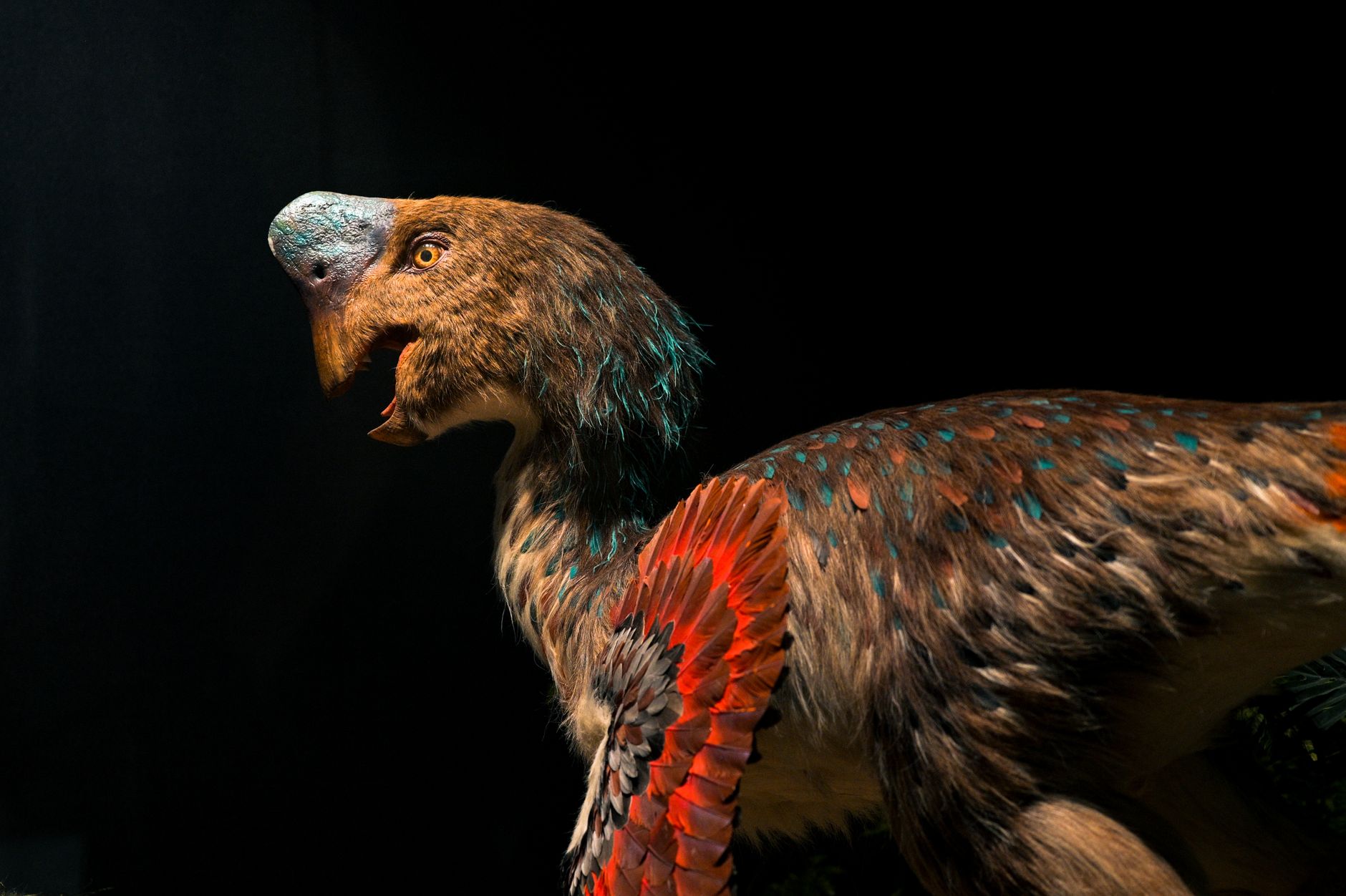
bird feathers dinosaur coprolite have been discovered in a remarkable find, providing insights into the life of creatures from 66 million years ago. This extraordinary discovery sheds light on the past.
What Are Dinosaur Coprolites?
Dinosaur coprolites are fossilized dung that provide valuable insights into the diets and behaviors of these prehistoric creatures. They are formed when organic materials, such as plant matter and animal remains, undergo mineralization over millions of years. The study of coprolites allows paleontologists to reconstruct ancient ecosystems and understand the interactions within them.
These remarkable fossils have been found in various locations around the world, often yielding intriguing contents that challenge previous assumptions about dinosaur behavior. For instance, the recent discovery of bird feathers within a 66-million-year-old dinosaur coprolite has sparked significant interest in the scientific community. This finding suggests that birds and dinosaurs coexisted more closely than previously thought, potentially indicating that feathers may have played a role in the evolutionary link between the two groups.
The analysis of coprolites can reveal not just the diet of dinosaurs, but also information about their habitat and the flora and fauna of their environment. As researchers continue to explore these ancient remnants, each discovery adds to our understanding of the past, shedding light on how species evolved and adapted over time.
The Significance of Bird Feathers
The discovery of bird feathers in dinosaur coprolite is a groundbreaking finding that offers profound insights into the evolution of avian species. These preserved feathers, dating back 66 million years, provide critical evidence that supports the theory of a close evolutionary link between birds and dinosaurs. The implications of this find extend beyond mere curiosity; it reshapes our understanding of the characteristics and behaviors of these ancient creatures.
Researchers believe that the presence of feathers in coprolite suggests that some dinosaurs may have exhibited behaviors similar to modern birds, such as nesting or caring for their young. This discovery raises intriguing questions about the ecological roles these feathered dinosaurs may have played in their environments.
Moreover, the exceptional preservation of these feathers allows scientists to study their structure and composition in great detail. This analysis can reveal information about the coloration and possible functions of the feathers, such as insulation or display. Understanding how these feathers functioned in a prehistoric context can help scientists piece together the evolutionary history of birds, providing a clearer picture of how they came to dominate the skies.
Ultimately, the discovery of bird feathers in dinosaur coprolite not only enriches our knowledge of dinosaur biology but also highlights the intricate connections between past and present avian life.
How Were the Feathers Preserved?
The preservation of bird feathers in dinosaur coprolite is a remarkable testament to the unique conditions that can occur in ancient environments. Researchers believe that the feathers were encapsulated within the fecal matter shortly after the birds’ death. This rapid entrapment played a crucial role in their preservation, preventing decomposition that typically occurs in organic materials.
Various factors contributed to the exceptional state of the feathers:
- Anoxic Conditions: The lack of oxygen in the environment where the coprolite was deposited helped inhibit microbial activity, which can otherwise break down organic materials.
- Mineralization: Over millions of years, minerals from surrounding sediments can seep into the organic matter, replacing biological material and creating a fossilized version of the original structure.
- Environmental Factors: Specific environmental conditions, such as temperature and humidity, can also enhance preservation by creating a stable setting for fossilization.
The discovery not only sheds light on the physical characteristics of ancient birds but also provides insight into the ecosystems in which these creatures thrived. By studying these bird feathers found in dinosaur coprolite, scientists can better understand the evolutionary link between birds and their dinosaur ancestors.
Implications for Paleontology
The discovery of bird feathers in dinosaur coprolite has far-reaching implications for the field of paleontology. This unprecedented find not only challenges previous assumptions about the relationship between birds and dinosaurs but also opens new avenues for research into the behaviors and ecosystems of ancient fauna.
Firstly, the presence of feathers in coprolite indicates that feathered dinosaurs may have interacted with early avian species in ways previously undocumented. This could suggest a more complex food web, where feathered creatures were not merely prey but also played a significant role in their environment.
Moreover, the discovery provides insights into the ecological conditions of the Late Cretaceous period. The preservation of delicate feathers within coprolite suggests that specific environmental factors allowed for the remarkable fossilization of organic materials, offering clues about the climate and habitat of that era.
Additionally, the findings compel scientists to reconsider the evolutionary timeline of feathers. As researchers delve deeper into the implications of this discovery, they may uncover more about how feathers evolved and their functional significance in the lives of these ancient creatures.
In summary, the discovery of bird feathers in dinosaur coprolite reshapes our understanding of avian evolution and the ecological dynamics of prehistoric life.
The Age of the Coprolite
The discovery of bird feathers in 66-million-year-old dinosaur coprolite provides a remarkable glimpse into the ecosystems of the Late Cretaceous period. This era, characterized by diverse flora and fauna, witnessed the emergence of early birds that coexisted with dinosaurs. The fossilized droppings, or coprolites, serve as a window into the diets of these prehistoric creatures, revealing not only the types of food they consumed but also the unique interactions between species.
Dating back to a time just prior to the mass extinction event that wiped out many species, the age of the coprolite is crucial for understanding the evolutionary timeline of birds. Scientists estimate that these coprolites were formed during a period when avian features began to evolve, showcasing the gradual transition from non-avian dinosaurs to birds. The presence of feathers in these ancient feces suggests that birds were already exhibiting characteristics similar to modern-day species.
- The discovery highlights the complex food webs of the time.
- It underscores the importance of feather evolution in the context of survival strategies.
- Such findings challenge previous assumptions about the timeline of avian evolution.
Ultimately, this extraordinary find enhances our understanding of the biological and ecological dynamics that shaped life millions of years ago.
Future Research Directions
The discovery of bird feathers within dinosaur coprolite has opened up new avenues for research in paleontology. Scientists are now looking to explore several key areas that could deepen our understanding of avian evolution and dinosaur behavior.
- Investigating Other Coprolites: Future studies will focus on examining additional dinosaur coprolites from various regions. This could yield more instances of feather preservation and reveal the diversity of feathered species that coexisted with dinosaurs.
- Assessing Environmental Context: Researchers aim to analyze the sedimentary layers surrounding the coprolite to understand the ecosystem dynamics of the late Cretaceous period. This may provide insights into the interactions between dinosaurs and early birds.
- Comparative Analysis: A comparative approach will be employed to assess the morphological characteristics of the feathers found in coprolites with those of modern bird feathers. This could illuminate the evolutionary pathways leading to modern avian species.
- Genetic Studies: Advancements in ancient DNA extraction techniques may allow scientists to analyze genetic material within the coprolite, offering clues about the genetic relationship between dinosaurs and birds.
Overall, the implications of these findings suggest that the intersection of dinosaur coprolite and bird feathers represents a significant chapter in the narrative of evolution.
The recent findings of bird feathers dinosaur coprolite have opened new avenues for understanding the evolution of avian species. Researchers are now analyzing the implications of these bird feathers dinosaur coprolite on the relationship between dinosaurs and their modern descendants.
Photo by Jaqor Q.I. on Pexels