
AI job displacement is a pressing issue that many experts, including Bill Gates, believe will reshape the job market significantly. As artificial intelligence continues to evolve, its impact on employment raises critical questions.
Understanding AI Job Displacement
The rise of artificial intelligence (AI) has sparked widespread discussions about its implications on the workforce. As technology evolves, the concern over AI job displacement becomes increasingly prominent. Many experts argue that while AI can enhance productivity, it may also lead to significant job losses across various sectors.
According to industry analysts, the impact of AI is expected to vary by profession. Some roles, particularly those involving repetitive tasks, are more susceptible to automation. In contrast, jobs requiring creativity, emotional intelligence, and complex problem-solving may remain secure. Nevertheless, the fear of job displacement looms large, prompting workers to reconsider their career paths.
Several key factors contribute to the urgency of this issue:
- Rapid advancements in AI technology
- Increased reliance on automation in industries
- The need for new skills among the workforce
As society adapts to these changes, it is crucial to evaluate how best to prepare for the future of work.
Bill Gates’ Perspective on AI
Bill Gates has long been an advocate for technology, but his recent comments on AI job displacement reflect a growing concern among industry leaders. In a recent video interview, Gates outlined his perspective on how artificial intelligence could fundamentally alter the employment landscape.
He emphasized that while AI has the potential to boost productivity and create new opportunities, it also poses significant risks for workers in various sectors. Gates pointed out that many jobs, particularly those that involve routine tasks, may be at increased risk of automation.
According to Gates, the transition may not be smooth. He stated that policymakers must be proactive in addressing the challenges posed by AI, focusing on education and retraining programs to help displaced workers. He noted the importance of embracing technology while ensuring that the workforce is equipped to adapt to these changes.
In summary, Gates believes that while AI brings innovation, it also requires a thoughtful approach to mitigate job loss and ensure a balanced future in the workforce.
The Future of Employment
The rapid advancement of artificial intelligence has raised significant concerns about the future of employment. With the potential for AI job displacement becoming a reality, many industries are bracing for change. Experts predict that automation could replace certain jobs, leading to a shift in the workforce landscape.
As companies increasingly adopt AI technologies, workers may find themselves in a race to adapt to new roles that require different skills. The transition could be challenging, particularly for those in sectors most vulnerable to automation. While some jobs may be lost, others may emerge, focusing on collaboration between humans and machines.
To mitigate the negative impacts of AI job displacement, education and training programs will be crucial. These initiatives can help workers reskill and prepare for the evolving job market. Both individuals and organizations must embrace a proactive approach to ensure a smooth transition into an AI-driven future.
- Reskilling opportunities are essential.
- Collaboration between humans and AI can create new roles.
- Proactive adaptation is key to thriving in the future workforce.
How AI is Changing Industries
AI is reshaping various industries at an unprecedented pace, leading to significant changes in how businesses operate. Automation and machine learning technologies are not just enhancing productivity; they are also causing a shift in job roles across multiple sectors.
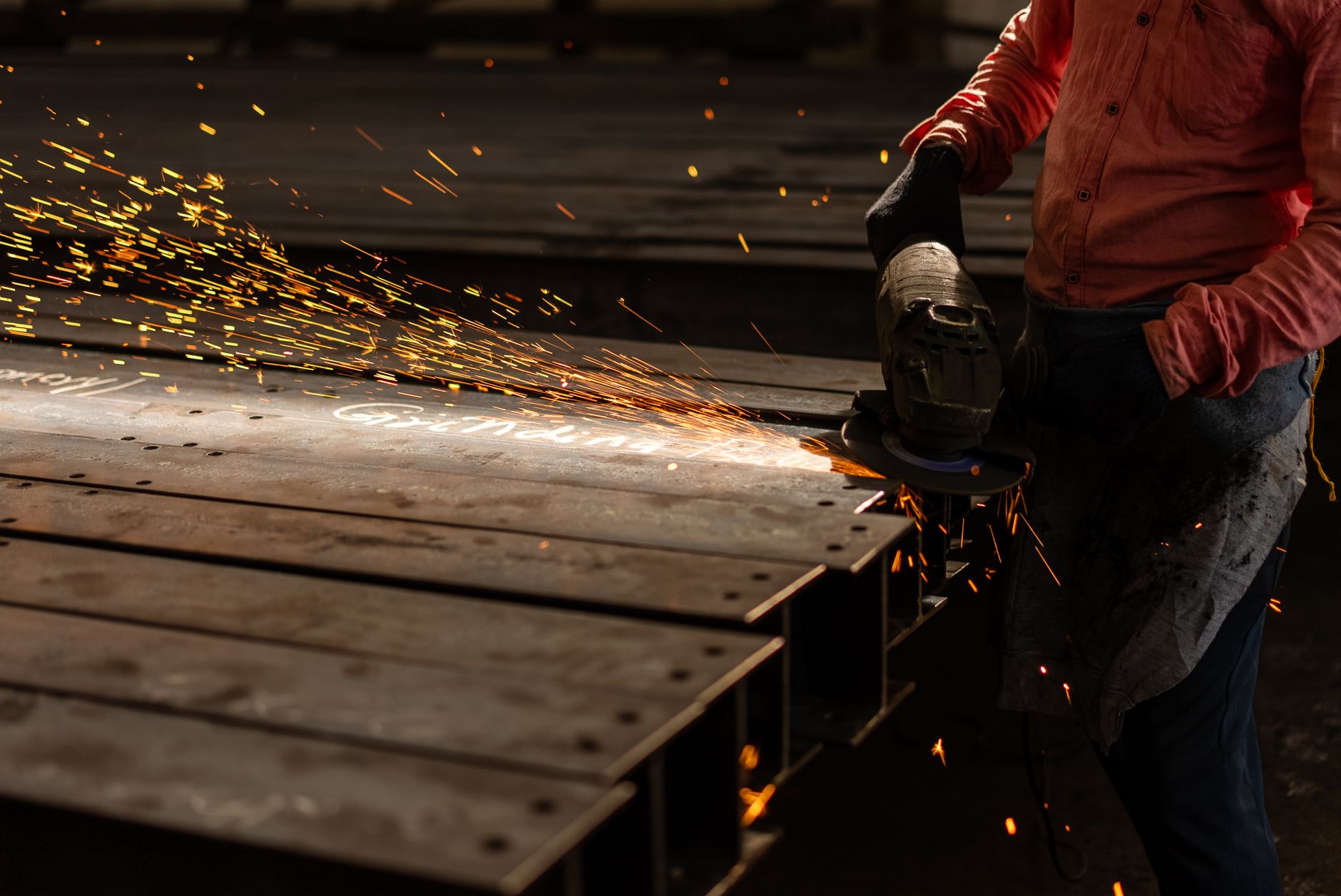
In manufacturing, for instance, robots are taking over tasks that were once performed by human workers, leading to concerns about AI job displacement. As businesses adopt these technologies, the demand for skilled labor has evolved, requiring workers to adapt to new roles that involve overseeing and maintaining these systems.
Moreover, the service industry is also feeling the impact. Customer service chatbots and AI-driven analytics are streamlining operations, which can result in a reduced need for human employees. This evolution raises questions about job security and the need for reskilling.
Overall, while AI presents opportunities for innovation and efficiency, it also necessitates a careful examination of its implications on employment and the workforce’s future.
Potential Solutions to Job Loss
As the threat of AI job displacement looms large, various potential solutions have emerged to mitigate its impact on the workforce. Experts suggest a multifaceted approach to address this pressing issue.
- Reskilling and Upskilling: Investing in training programs is crucial for workers to adapt to new technologies. By enhancing their skills, employees can transition into roles that AI cannot easily replicate.
- Universal Basic Income (UBI): Some advocates propose UBI as a safety net for those displaced by automation, ensuring a basic standard of living while individuals seek new employment opportunities.
- Job Creation in Emerging Fields: Encouraging growth in sectors that AI cannot dominate, such as creative industries and human-centric services, could lead to new job opportunities.
- Policy and Regulation: Governments may need to implement policies that promote fair labor practices and protect workers from the adverse effects of technological advancements.
By adopting these strategies, society can better navigate the challenges posed by AI job displacement.
The Role of Education in a Changing Job Market
As the landscape of employment shifts due to advancements in technology, particularly in artificial intelligence, the role of education becomes increasingly vital in addressing AI job displacement. In this evolving job market, traditional educational paths may not suffice, necessitating a re-evaluation of how skills are taught and learned.
To prepare the workforce for a future where AI plays a significant role, educational institutions must adapt by:
- Emphasizing STEM education: Fostering skills in science, technology, engineering, and mathematics can equip individuals to work alongside AI technologies.
- Encouraging lifelong learning: Providing opportunities for continuous education and upskilling can help workers adapt to changing demands.
- Promoting critical thinking and creativity: These skills will remain relevant in jobs that AI cannot easily replicate.
Ultimately, a proactive approach to education will be essential in mitigating the worst impacts of AI job displacement and ensuring that workers are not left behind in a rapidly changing economy.
Real-Life Examples of AI Impact
As AI technology continues to evolve, real-life examples highlight its impact on employment across various sectors. Companies in the manufacturing industry have increasingly turned to automation, resulting in significant job displacement. Workers who once operated machinery are being replaced by robots capable of performing tasks more efficiently and without breaks.
In the retail sector, AI-driven checkout systems have reduced the need for cashiers, leading to layoffs and fewer entry-level job opportunities for young workers. Similarly, in customer service, chatbots are handling inquiries that were once managed by human agents, showcasing the shift towards AI job displacement.
Additionally, the transportation industry is experiencing changes with the advent of self-driving technology. Truck drivers face uncertain futures as companies explore autonomous vehicles for freight delivery, potentially eliminating millions of driving jobs.
These examples underscore the urgent need for discussions around AI job displacement and its broader implications for the workforce, prompting calls for adaptive strategies to support those affected.
Public Opinion on AI and Jobs
As discussions around AI job displacement continue to grow, public opinion remains divided on the implications of artificial intelligence in the workforce. Many people express concerns about the potential for widespread job loss, fearing that automation may outpace the creation of new roles.
Surveys indicate that:
- 62% of respondents believe AI poses a serious threat to job security.
- 54% feel that the government should intervene to protect jobs affected by AI.
- 70% agree that education and retraining programs are essential for workers to adapt.
However, some individuals remain optimistic, arguing that AI could lead to new job opportunities and enhance productivity. Many emphasize the importance of embracing technological advancements while ensuring that workers are equipped with the necessary skills to thrive in an evolving job market.
This ongoing debate highlights the complexity of integrating AI into society, balancing innovation with the need for workforce stability.