

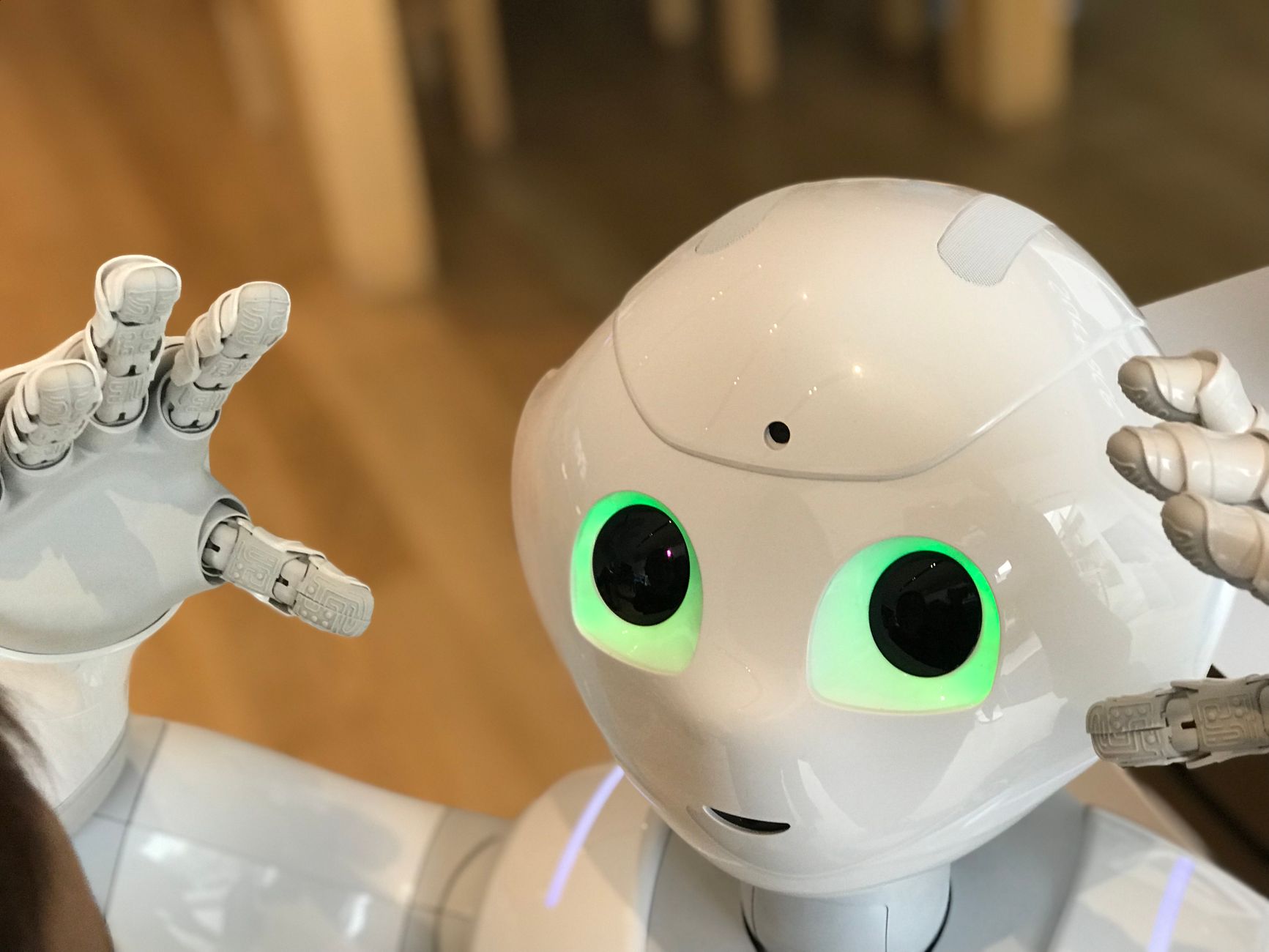
Microsoft AI security controls are now in place to enhance the safety of AI agents. These new measures aim to provide robust protection against potential threats.
Introduction to Microsoft AI Security Controls
In the rapidly evolving landscape of artificial intelligence, ensuring the security of AI agents is paramount. Microsoft has taken a proactive approach by introducing a suite of innovative AI security controls designed to protect users and organizations alike. These measures aim to mitigate risks associated with AI implementations, addressing concerns about data privacy, unauthorized access, and potential misuse of AI technologies.
Recent announcements from Microsoft highlight the importance of establishing robust frameworks for AI security. The new controls include:
- Enhanced authentication measures to prevent unauthorized access to AI systems.
- Data encryption techniques that safeguard sensitive information during processing.
- Continuous monitoring to detect and respond to abnormal behavior in real-time.
With these Microsoft AI security controls, the tech giant is not only reinforcing its commitment to safety but also setting a standard for the industry, ensuring that AI technologies are deployed responsibly and securely.
Why AI Security is Crucial
As artificial intelligence becomes increasingly integrated into various sectors, ensuring the security of AI systems has never been more vital. The rise of AI technologies has brought about numerous benefits, but it has also introduced unique risks that can impact both individuals and organizations.
AI security plays a crucial role in safeguarding sensitive data and maintaining user trust. Without robust security measures, AI agents may be susceptible to a range of threats, including:
- Data breaches: Unauthorized access to sensitive information can lead to significant financial and reputational damage.
- Manipulation of outputs: Attackers can alter AI-generated results, leading to faulty decision-making.
- Model poisoning: Malicious actors can corrupt machine learning models, compromising their effectiveness.
Implementing effective Microsoft AI security controls can help mitigate these risks, ensuring a more resilient and trustworthy AI environment. By prioritizing security, organizations can foster innovation while protecting their digital assets.
Overview of New Measures
Microsoft has unveiled a series of innovative measures designed to enhance the security of AI agents, emphasizing the importance of robust Microsoft AI security controls in today’s digital landscape. These new initiatives aim to address potential vulnerabilities and ensure that AI systems operate safely and efficiently.
The key components of these security controls include:
- Advanced Authentication: Implementing multi-factor authentication to prevent unauthorized access.
- Real-time Monitoring: Utilizing AI to monitor activities and detect suspicious behavior instantly.
- Data Encryption: Ensuring that all data processed by AI agents is encrypted to protect sensitive information.
- Regular Audits: Conducting frequent security audits to identify and mitigate risks proactively.
- Compliance Frameworks: Aligning security measures with global standards to enhance trust and accountability.
Through these measures, Microsoft aims to build a safer environment for AI technologies, reinforcing users’ confidence in their AI implementations.
Impact on AI Agent Performance
The implementation of Microsoft AI security controls significantly affects AI agent performance, enhancing both reliability and user trust. These controls are designed to ensure that AI systems operate within a secure framework, which directly impacts their efficiency and effectiveness.
Key benefits of these security measures include:
- Increased Stability: By safeguarding AI agents from potential vulnerabilities, Microsoft ensures they perform consistently without unexpected failures.
- Improved Decision-Making: Secured AI agents can access and analyze data without the risk of manipulation, leading to better-informed outcomes.
- User Confidence: Enhanced security fosters trust among users, encouraging broader adoption of AI solutions.
Moreover, the proactive approach to AI security allows for seamless updates and adaptations, ensuring that agents remain effective against evolving threats. As Microsoft continues to innovate, the integration of robust security controls will be crucial in maintaining high-performance standards across all AI applications.
Expert Opinions on AI Security
Experts in the field of cybersecurity have weighed in on the recent advancements in Microsoft AI security controls, emphasizing their significance for the future of AI agents. According to Dr. Emily Chen, a leading researcher in AI ethics, “The newly implemented security measures are a critical step in ensuring that AI systems operate safely and responsibly.”
Furthermore, cybersecurity analyst Tom Rivera noted, “The proactive approach taken by Microsoft demonstrates a commitment to safeguarding user data and preventing malicious use of AI technologies.” He highlighted that the integration of robust security controls can enhance trust among users, which is essential for widespread adoption of AI solutions.
In addition, industry leaders are optimistic about how these security controls can mitigate risks associated with AI. “By implementing these measures, Microsoft is setting a benchmark for the industry,” said Sarah Lopez, a cybersecurity policy expert. “These proven measures will not only protect AI agents but also pave the way for more innovation in the sector.”
Comparison with Previous Controls
In evaluating the effectiveness of Microsoft AI security controls, it is important to compare them with previous measures implemented by the company. Historically, AI security has relied on basic frameworks that often lacked the robustness needed to counter evolving threats.
The earlier controls primarily focused on data encryption and user authentication. While these measures provided a foundation for safeguarding sensitive information, they did not address the complexities introduced by advanced AI agents.
In contrast, the new Microsoft AI security controls incorporate a multi-layered approach that includes:
- Real-time threat monitoring to detect anomalies.
- Adaptive learning algorithms that enhance security protocols based on emerging threats.
- Collaboration with industry experts to stay ahead of potential vulnerabilities.
These enhancements not only bolster the security framework but also improve the overall performance of AI agents, making them more resilient in a rapidly changing digital landscape.
Future of AI Security
The future of AI security is increasingly dependent on innovative frameworks and robust protocols that can withstand emerging threats. As organizations continue to integrate AI into their operations, the importance of comprehensive Microsoft AI security controls cannot be overstated. These controls are designed to evolve alongside technological advancements, ensuring that AI agents can operate safely and efficiently.
Many experts predict that AI security will shift towards a more proactive approach, where predictive analytics and machine learning are utilized to identify vulnerabilities before they can be exploited. This anticipatory strategy will likely include:
- Real-time monitoring of AI systems to detect anomalies.
- Enhanced encryption methods to protect sensitive data.
- Regulatory compliance measures that adapt to new laws and standards.
As Microsoft continues to refine its AI security controls, the focus will remain on creating safer agents capable of navigating an increasingly complex digital landscape.
Conclusion and Next Steps
In conclusion, the advancements in Microsoft AI security controls signify a pivotal shift towards safer and more reliable AI agents. The new measures introduced not only enhance security protocols but also ensure a higher level of accountability in AI operations. With the increasing reliance on AI technologies, these controls are essential to mitigate potential risks associated with data breaches and misuse.
As organizations integrate these robust security measures, it becomes imperative to stay informed about the evolving landscape of AI security. This includes understanding the implications of these controls on both performance and compliance. The expert opinions presented earlier highlight the necessity for continuous improvement and adaptation in security practices.
As we look ahead, businesses should prioritize the implementation of Microsoft AI security controls to safeguard their AI systems effectively. By taking proactive steps today, organizations can navigate the complexities of AI security and foster a more secure technological environment for tomorrow.
Implementing Microsoft AI security controls is essential for organizations looking to enhance their protection against emerging threats. By leveraging Microsoft AI security controls, businesses can ensure their agents operate within a secure framework, reducing vulnerabilities.
Photo by Laura Musikanski on Pexels
References
RTX 5090 Price: The Worst $10,000 GPU Decision · Is Don Bradman Cricket Jr the Best New Switch Game? · Zero-Commission Selling: The Best Simple Solution for Women