

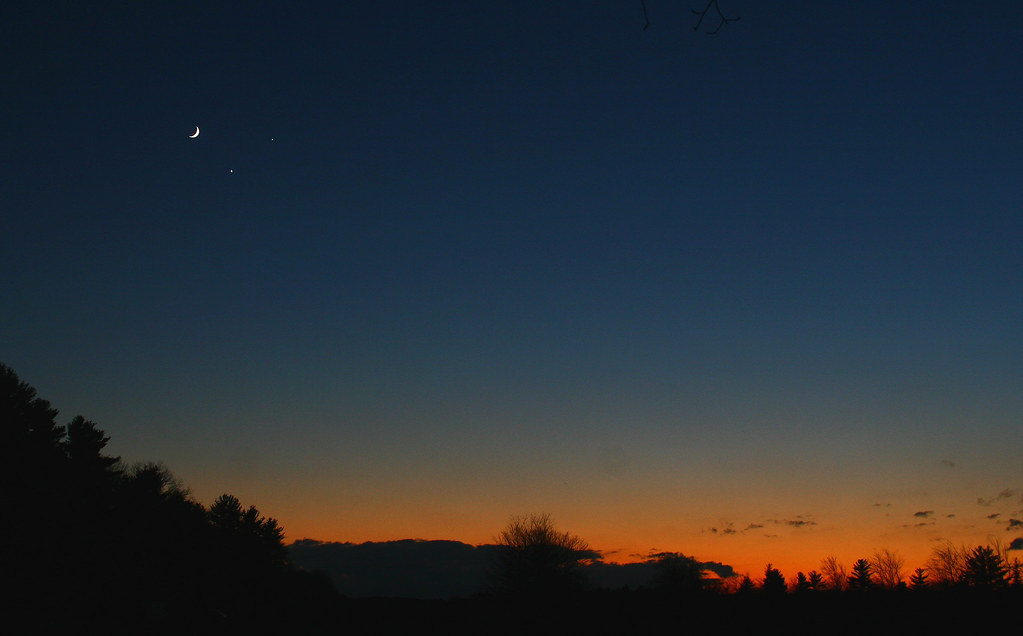
The moon and Jupiter event is a rare occurrence that astronomy enthusiasts should not miss. This celestial alignment offers a stunning view in the night sky.
What is the Moon and Jupiter Event?
The upcoming Moon and Jupiter event is an extraordinary celestial occurrence that avid stargazers should not miss. This rare event features the moon passing close to Jupiter, creating a breathtaking visual display in the night sky.
During this event, observers will have the chance to see both the moon and the giant planet appear together, making it an excellent opportunity for photography and observation. In fact, such alignments happen infrequently, with the next one not expected for another 11 years.
For those eager to witness this astronomical showcase, here are a few tips:
- Timing: Check local times for the best visibility.
- Location: Find a dark area away from city lights.
- Equipment: Binoculars or a telescope can enhance the experience.
Mark your calendars, as this Moon and Jupiter event promises to be a sight to remember!
When Will It Happen?
The highly anticipated moon and Jupiter event is set to take place on November 23, 2023. This rare astronomical phenomenon will offer stargazers a unique opportunity to witness the moon and the planet Jupiter appear closer together in the night sky than they typically do.
Skywatchers should mark their calendars and prepare for an unforgettable sight, as this alignment will not occur again for another 11 years. The best time to view this celestial display will be just after sunset, when both the moon and Jupiter will be visible low on the horizon.
To enhance the viewing experience, consider finding a location away from city lights, where the darkness will allow for the best visibility of the event.
Don’t forget to grab your binoculars or telescope, as these tools can provide a more detailed look at the moon’s craters and Jupiter’s distinctive bands.
How to View the Event
To fully enjoy the Moon and Jupiter event, enthusiasts should find a location with minimal light pollution. Parks or open fields away from city lights provide the best visibility. Make sure to check the local weather forecast to ensure clear skies on the night of the event.
Viewing is best done with the naked eye, although binoculars or a small telescope can enhance the experience. Here are some tips for optimal viewing:
- Time: Aim to observe shortly after sunset when both celestial bodies are visible in the western sky.
- Equipment: While not necessary, binoculars can help distinguish details and bring the event into sharper focus.
- Photography: If you’re interested in capturing the moment, use a camera with a good zoom lens for stunning images.
Don’t miss this unforgettable Moon and Jupiter event, as it may take over a decade before a similar sight occurs again!
Significance of the Alignment
The recent alignment of the moon and Jupiter is a remarkable occurrence that captivates both amateur and seasoned astronomers alike. This moon and Jupiter event is significant not only for its rarity but also for the opportunity it provides to observe celestial mechanics in action.
The proximity of these two astronomical bodies offers a unique chance to enhance our understanding of the night sky. As they align, stargazers can witness:
- Enhanced Visibility: The brightness of Jupiter complements the glow of the moon, making them easily distinguishable from other celestial objects.
- A Learning Opportunity: Observers can engage in discussions about the orbits and positions of planets and natural satellites.
- Photography Chances: Enthusiasts can capture stunning images that showcase the beauty of this celestial alignment.
Overall, this moon and Jupiter event serves as a reminder of the wonders of our universe and the joy of astronomical exploration.
Historical Context
The alignment of the moon and Jupiter is not just a casual occurrence; it has historical significance that dates back centuries. Astronomers and stargazers alike have recorded similar events throughout history, often viewing them as omens or harbingers of change.
In ancient times, the moon and Jupiter were associated with various deities, and their conjunctions were celebrated in numerous cultures. For instance, the Babylonians meticulously documented these celestial events, recognizing their importance in astrological predictions.
More recently, similar alignments have sparked interest in scientific communities, leading to increased observations and studies. The upcoming moon and Jupiter event, which won’t occur again for 11 years, offers a unique opportunity for both amateur and professional astronomers to witness a spectacular display in the night sky.
As the two celestial bodies come together, they remind us of the vastness of the universe and the intricate dance of the planets.
Tips for Stargazing
As the Moon and Jupiter event approaches, stargazers are eager to witness this rare astronomical show. To make the most of your viewing experience, consider the following tips:
- Choose the Right Location: Find a spot away from city lights, where the night sky is clear and unobstructed.
- Check the Weather: Ensure the weather forecast is clear for the best visibility of the alignment.
- Use Binoculars or a Telescope: While the event is visible to the naked eye, binoculars or a telescope can enhance your view of Jupiter’s moons.
- Plan Your Timing: View the event shortly after sunset when both celestial bodies are low on the horizon.
- Share the Experience: Invite friends and family to join you in observing this spectacular event.
Don’t miss the opportunity to witness the Moon and Jupiter event—mark your calendars and prepare for a night of wonder!
Future Celestial Events to Watch
As stargazers look forward to the Moon and Jupiter event, several other celestial happenings are on the horizon that should not be missed. Here are some upcoming events to mark on your calendar:
- Perseid Meteor Shower: Occurring annually in August, this meteor shower can produce up to 100 meteors per hour at its peak. It’s a spectacular display not to be missed!
- Autumn Equinox: In September, the day and night are of equal length, heralding the change of seasons. This celestial event can be observed across the globe.
- Winter Solstice: The longest night of the year occurs in December, offering unique opportunities to observe constellations and other celestial bodies.
- Spring Conjunction of Venus and Mars: In April, these two planets will appear close to each other in the night sky, creating a beautiful sight for observers.
Keep looking up for these stunning events that follow the rare Moon and Jupiter event!
By Muffet via Openverse