
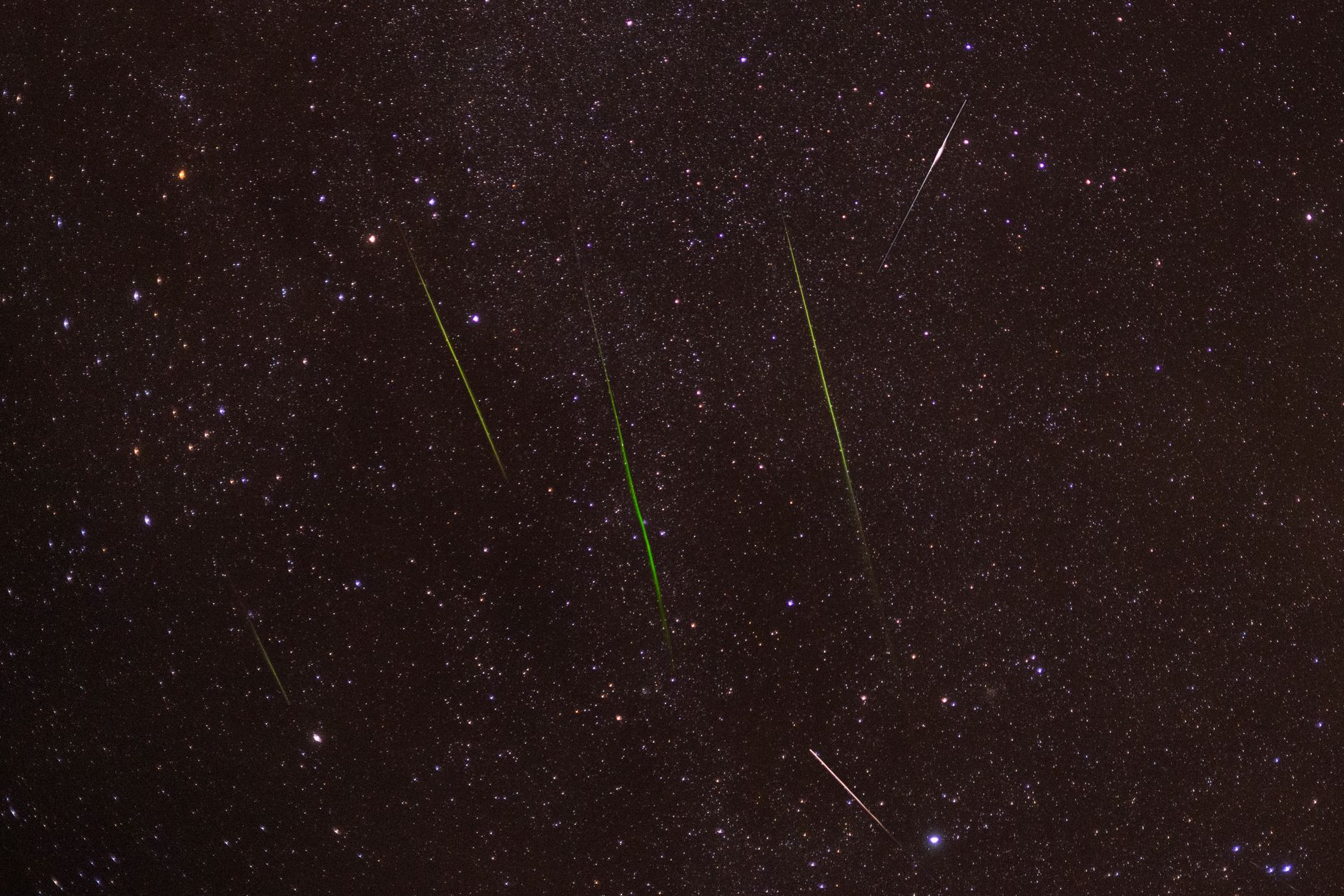
Draconid meteor shower is currently lighting up the skies over Northeast Ohio, providing a spectacular view for stargazers. This article offers tips on how to best enjoy the show.
What is the Draconid meteor shower?
The Draconid meteor shower is an annual celestial event that occurs when Earth passes through the debris left by comet Giacobini-Zinner. This meteor shower typically peaks in early October, offering a unique opportunity for stargazers to witness shooting stars streaking across the night sky. Unlike many other meteor showers that are best viewed during the early morning hours, the Draconids are often more active in the evening, making them accessible for those who prefer to watch the skies at night.
Originating from the constellation Draco, the Draconids can produce a variable number of meteors each year. While some years may showcase only a handful of meteors, other years can experience remarkable outbursts, leading to hundreds of visible meteors per hour. The visibility of this meteor shower can be influenced by several factors, including the moon phase and local weather conditions.
To enhance your viewing experience, consider heading to a location away from city lights, where the sky is darker. Furthermore, bringing a reclining chair or a blanket can allow you to comfortably gaze up at the wonders of the night sky, waiting for the beautiful display of the Draconid meteor shower.
Best times to view the meteor shower
The Draconid meteor shower, known for its unpredictable displays, can offer a spectacular view if timed correctly. The best times to view this celestial event typically fall between the early evening and midnight. This is when the meteors are most likely to be visible, streaking across the sky in a dazzling array.
To enhance your meteor-watching experience, consider the following tips:
- Choose a dark location: Avoid areas with bright lights, as light pollution can significantly diminish your ability to see the meteors.
- Look towards the North: The Draconid meteor shower radiates from the constellation Draco, so positioning yourself to face north can increase your chances of spotting the meteors.
- Be patient: Allow your eyes to adjust to the darkness, which can take about 20 minutes. This will help you better see the faintest meteors.
- Check the weather: Clear skies are essential for optimal viewing, so keep an eye on local forecasts leading up to the event.
By following these tips, you can make the most of your experience during the Draconid meteor shower.
Tips for optimal viewing
To fully enjoy the Draconid meteor shower, consider these tips for optimal viewing:
- Choose a dark location: Find a spot away from city lights to enhance visibility. Parks or open fields can provide an unobstructed view of the sky.
- Check the weather: Clear skies are crucial for meteor watching. Look for forecasts that indicate minimal cloud cover and low humidity.
- Give your eyes time to adjust: Arrive at your viewing location at least 20 minutes before the meteor shower begins. This allows your eyes to adapt to the darkness.
- Lay back and relax: Bring a reclining chair or blanket to lie on. This will help you stay comfortable while watching the skies for shooting stars.
- Be patient: Meteor showers can be unpredictable, with varying numbers of meteors appearing. Allow time to enjoy the experience, even if the activity is lower than expected.
- Invite friends or family: Watching the Draconid meteor shower can be more enjoyable with others. Sharing the experience enhances the thrill of spotting meteors together.
Safety tips for stargazing
When planning to watch the Draconid meteor shower, it’s essential to prioritize safety to enhance your stargazing experience. Here are some important tips to consider:
- Choose a safe location: Select an area away from city lights to minimize light pollution. Parks or open fields are ideal, but ensure the site is safe and accessible.
- Dress appropriately: Depending on the time of year, temperatures can drop at night. Wear layers and bring blankets or chairs for comfort while you observe the skies.
- Stay aware of your surroundings: If you’re watching the meteor shower with friends or family, make sure to keep track of each other, especially in remote locations.
- Bring essentials: Pack snacks, water, and a flashlight. Use a red flashlight to preserve your night vision while moving around or finding your belongings.
- Limit distractions: Turn off your phone or use it minimally to enjoy the full experience of the Draconid meteor shower without distractions from screens.
By following these safety tips, you can ensure a memorable and enjoyable experience while watching the wonders of the night sky.
Historical significance of Draconids
The Draconid meteor shower has captivated skywatchers for centuries, with its historical significance tracing back to its first recorded observations. Documented as early as 1900, these meteors are associated with the comet Giacobini-Zinner, which orbits the sun every 6.6 years. This connection has made the Draconids a fascinating subject of study for astronomers and meteor enthusiasts alike.
During the peak periods, particularly in the early 1900s, the Draconid meteor shower produced remarkable displays, with reports of thousands of meteors visible in just a single hour. Such events have not only sparked public interest but have also contributed to our understanding of meteor activity and comet behavior.
Interestingly, the Draconids are known for their unpredictable nature. While some years yield a modest number of meteors, other years can produce spectacular storms. This variability adds to the allure of the Draconids, making each viewing opportunity unique.
As we look forward to this annual celestial event, the historical significance of the Draconid meteor shower continues to inspire both seasoned astronomers and casual observers, reminding us of the wonders of our universe.
How to photograph meteor showers
Capturing the beauty of the Draconid meteor shower through photography can be a rewarding experience. To ensure you get the best shots, consider the following tips:
- Choose the right equipment: A DSLR or mirrorless camera with manual settings is ideal. Pair it with a sturdy tripod to minimize movement during long exposures.
- Use a wide-angle lens: This will allow you to capture more of the sky, increasing your chances of photographing multiple meteors in one frame.
- Set long exposure times: Adjust your camera settings to use a shutter speed between 15 to 30 seconds. This helps to capture the trails of the meteors as they streak across the sky.
- Increase ISO settings: A higher ISO will make your camera more sensitive to light, which is helpful in low-light conditions. However, be cautious of too much noise in your images.
- Focus on the right area: The Draconid meteor shower radiates from the constellation Draco, so point your camera in that direction for the best chance of capturing meteors.
Remember to enjoy the experience while photographing the stunning display of the night sky!
What to expect during the event
The Draconid meteor shower offers a unique celestial experience that captivates both novice and experienced stargazers. During this event, you can expect to see a range of meteors streaking across the night sky, with some appearing brighter and more vivid than others. While the shower’s peak can yield a high rate of meteors, the actual number can vary significantly from year to year.
Typically, the Draconids are known for producing slower-moving meteors, which can create stunning trails that linger briefly in the atmosphere. Observers should look for:
- Bright fireballs: These larger meteors can illuminate the sky with their vivid colors.
- Variable intensity: Some years may showcase a spectacular display, while others might be more subdued.
- Rich history: The Draconids have been known for their unpredictable outbursts, making each viewing unique.
For the best experience, find a dark location away from city lights and allow your eyes to adjust to the darkness. Bring along a blanket for comfort and enjoy the magic of the Draconid meteor shower as it lights up the night sky.
Photo by Eclipse Chasers on Pexels